
Enlightenment In Unexpected Places
I Rode a Horse Up a Mountain for Year, It Saved My Life.

For most of my adult life, I lived in a state of constant motion that felt like drowning while standing on dry land. My days began before sunrise with meditation apps chiming insistently on my phone, reminding me to find peace in a mind that had forgotten what stillness felt like.
I would sit dutifully on my cushion for twenty minutes, watching thoughts tumble through my consciousness like debris in a flood, then spring up to attack the day with the same frantic energy I was supposedly trying to calm.
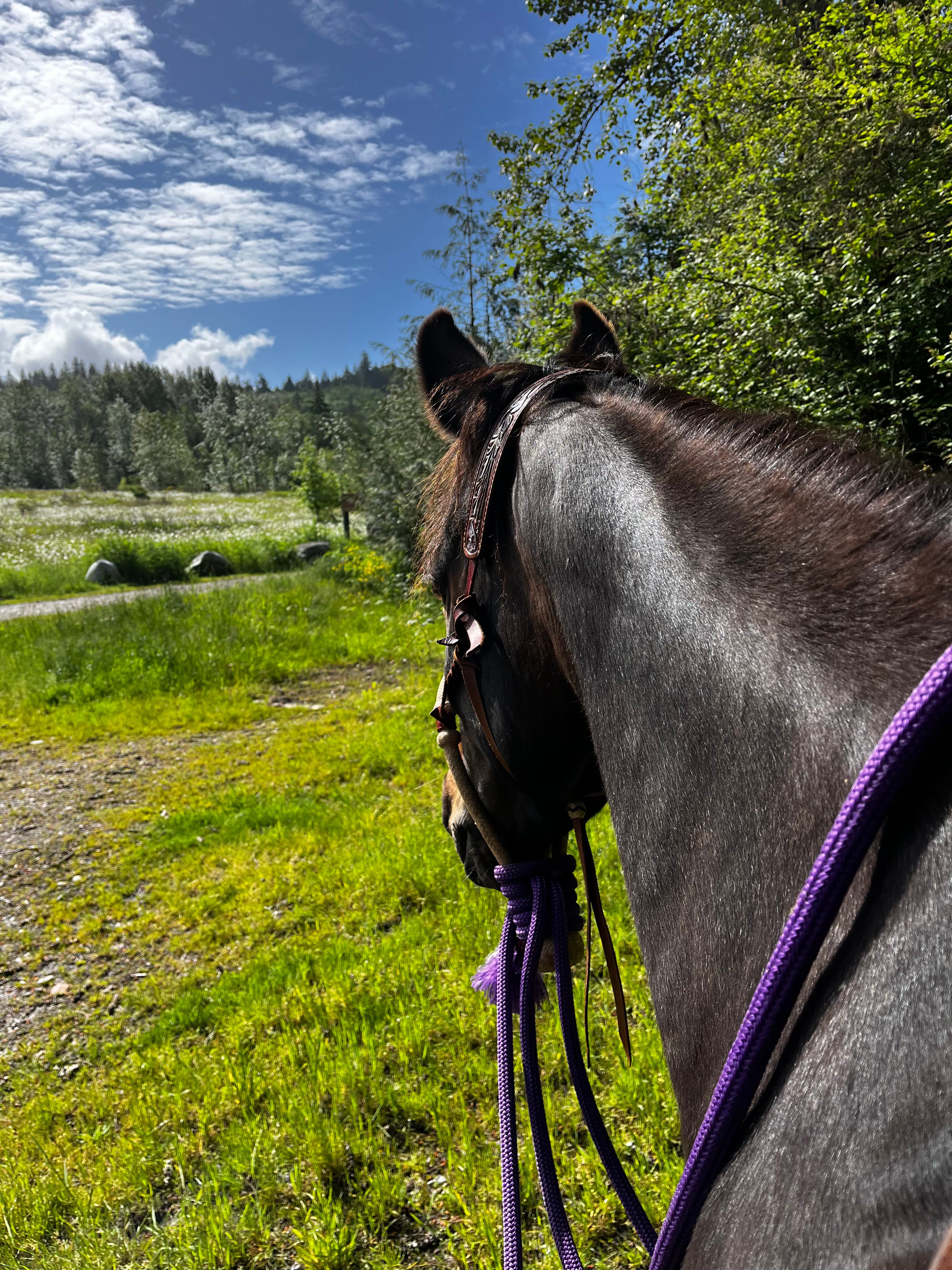
The seeking became its own addiction. Weekend retreats where I sat cross-legged in silent halls, surrounded by people who seemed to have accessed some secret I couldn't crack. I studied Zen texts that spoke of mushin and busshō (Buddha-nature), concepts that felt tantalizingly close yet remained as elusive as trying to grasp water.
Teachers spoke about shikantaza, the practice of just sitting in open awareness, but every time I attempted it, my mind would immediately begin cataloguing everything I should be doing instead of sitting there doing nothing.
I tried everything the spiritual marketplace offered. Breathing techniques that left me dizzy, walking meditations where I counted steps while my thoughts counted problems, mindfulness practices that turned into another thing to get right or wrong.
Each method promised the same thing: a quiet mind, a sense of being at home in myself, freedom from the constant anxiety of always needing to be somewhere else, someone else, something more than what I was in that moment.
Nothing stuck. I would feel momentarily calm during a guided session, then slide right back into the familiar frenzy within hours. The gap between what I was reading about in those ancient texts and what I was actually living grew wider with each failed attempt
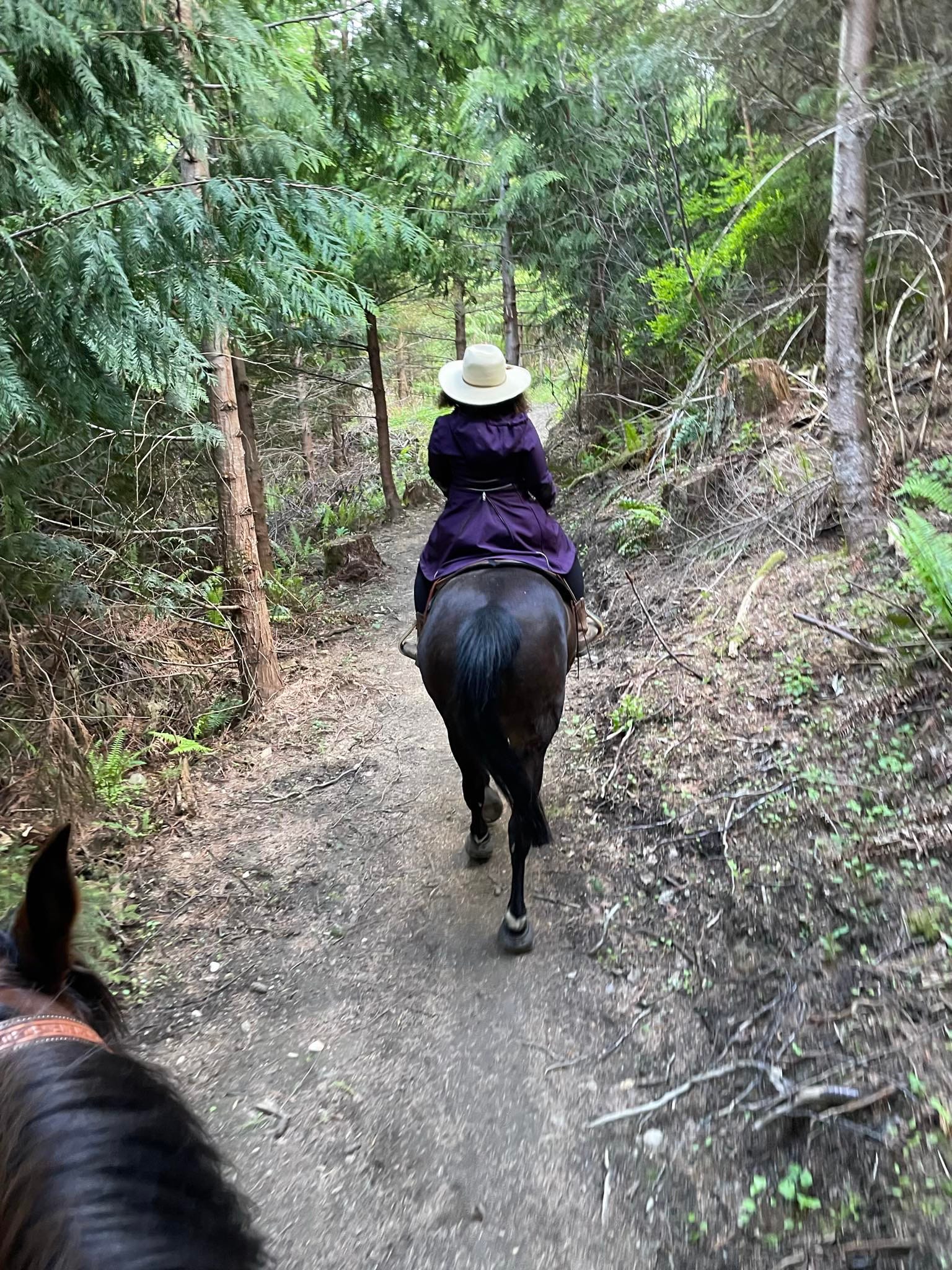
Two years ago, I had an entirely different problem that had nothing to do with spiritual seeking that had haunted me for seven years: I had fallen from a horse badly enough that the fear had taken up permanent residence in my mind.
The physical impact was nothing compared to the way terror had rewired my relationship with something I had once loved. Getting back in the saddle wasn't about finding enlightenment or achieving some meditative state. It was pure rebellion, a refusal to let fear dictate what I could and couldn't do with my life.
I started riding the mountain trails early in the morning, when the world was still wrapped in that particular silence that exists only before the day officially begins. Those first rides were exercises in controlled panic. Every muscle remained coiled and ready, every sense hyper alert for signs of impending disaster.
My horse beneath me, Mia, could feel my tension, and our movements together were stilted, cautious, a conversation conducted entirely in the language of mutual distrust.
But something about being on that mountain trail demanded a kind of attention I had never learned to give anywhere else. You cannot multitask when you are navigating narrow paths on the back of a thousand-pound animal who has her own opinions about where to step.
There is only this moment, this footfall, this slight shift in weight, this breath. The elaborate mental commentary that typically accompanied every moment of my waking life began to seem not just irrelevant, but dangerous.
The mountain and the horse required me to be completely present, not as a spiritual practice but as a matter of basic survival. Gradually, I began to notice something I had never encountered in all my years of formal meditation practice.
The world up there was quiet in a way that went far deeper than the absence of traffic noise and ringing phones. There was a silence that seemed to live in the trees themselves, in the rhythm of hoofbeats on packed earth, in the way morning light moved across the landscape without any need for commentary or interpretation.
I found myself craving these mornings not for the physical exercise or even for overcoming my fear, but for the clean, empty space where my thoughts would thin out like the mountain air itself.
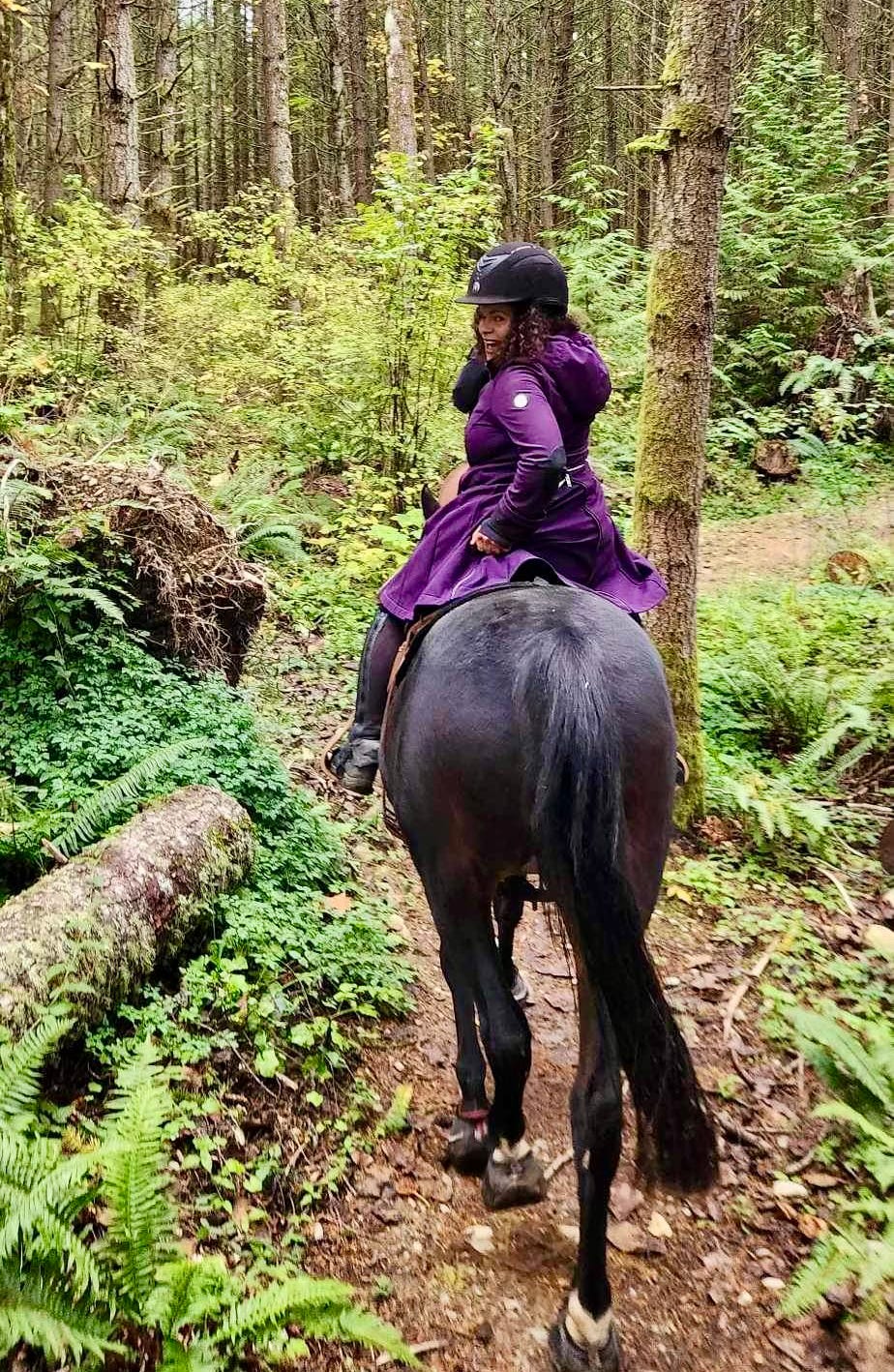
The change happened so gradually that I almost missed it entirely. Somewhere around a year into this routine, I realized that my mind had simply stopped its constant chatter.
Not through any effort or technique, but through a kind of natural settling that I had never experienced despite years of trying to manufacture exactly this state. I was living in what the Zen masters called mushin, the no-mind that I had read about but never understood until I found myself inhabiting it without trying.
This was not the dramatic awakening experience I had imagined enlightenment would be. There were no fireworks, no profound realizations, no sense of having achieved something extraordinary. It was more like finally noticing that I had been breathing differently for months without paying attention to the change.
The mental noise that had been the soundtrack to my entire adult life had simply gone quiet, leaving behind the kind of ordinary presence that the old Zen saying pointed to:
Before enlightenment, chop wood, carry water; after enlightenment, chop wood, carry water.
What I discovered through those morning rides was that I had been trying to practice my way into my own busshō when it had been available all along. I had been seeking shikantaza, that state of open, choiceless awareness, through techniques and methods when what it actually required was just being completely absorbed in what I was doing.
The gradual loosening of my grip on outcomes, learning to rest in the spaces between thoughts, discovering the difference between experiencing emotions and being hijacked by them — all of this had happened naturally through the simple act of showing up on that mountain morning after morning.
Practice had dissolved from something I did into the way I moved through the world. The mind becoming transparent to itself was not a goal I achieved but a recognition of what was already present when I stopped trying to manufacture special experiences.
I was living as that awareness the texts described rather than seeking it, embodying the settledness that needed nothing added or taken away. The silence I experienced was not an internal state but the actual quality of reality when the usual mental static stopped interfering with direct contact with what was present.
This was what all those concepts had been pointing toward — not exotic states of consciousness but this ordinary, immediate presence where the boundary between awareness and world dissolves into seamless being.
Now I find that I cannot live the old way anymore. Not that I choose not to, but that the constant seeking, the mental noise, the desperate reaching for something outside this moment has become not just uncomfortable but impossible.
The silence saved my life by showing me that I had been drowning in sound I didn't even know was there, mistaking the turbulence of my own thinking for the nature of reality itself. What I learned is that enlightenment is not a special state but a return to what you already are when you stop trying to be something else.
The mountain and the horse became my teachers not because they offered spiritual wisdom but because they demanded the kind of complete presence that is our fundamental condition beneath all the mental activity and emotional reactivity that we mistake for ourselves.
So I can honestly say, riding a horse up a mountain, I found enlightenment, I accomplished Zen, and saved my own life. And I’ll keep riding up the mountain, until my body is so stiff it can longer move into a saddle.